Who Will Lift the 2026 Crown?

The 2026 FIFA World Cup will arrive in North America with a scale the sport has never seen before, and the race to win it already feels wide open. With Canada, Mexico, and the United States sharing hosting duties, every contender will face a tournament shaped by long travel, high pressure, and enormous crowds.
That setting creates a fascinating challenge for the traditional giants. Talent still matters most, but depth, adaptability, and tournament discipline may matter just as much when the matches stretch across three countries and a larger 48-team field.
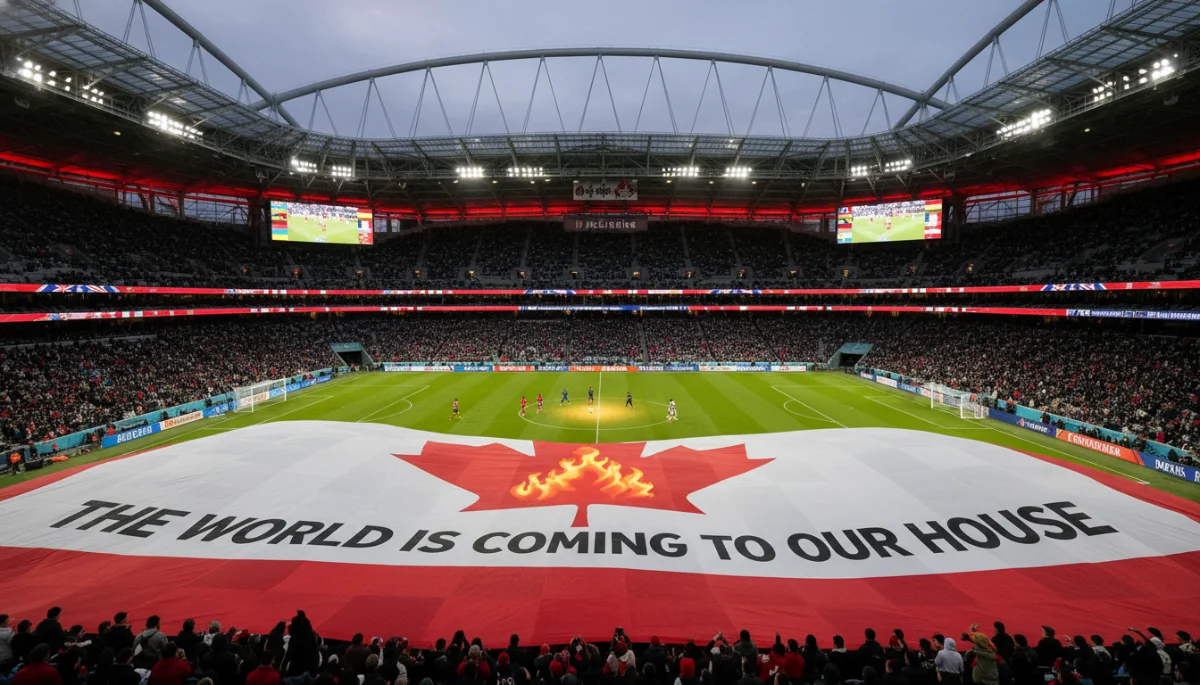
For fans in Canada, the emotional pull is even stronger. The home atmosphere in Vancouver and Toronto will give Les Rouges a real stage, but the biggest story will still be which global heavyweight handles the new format best.
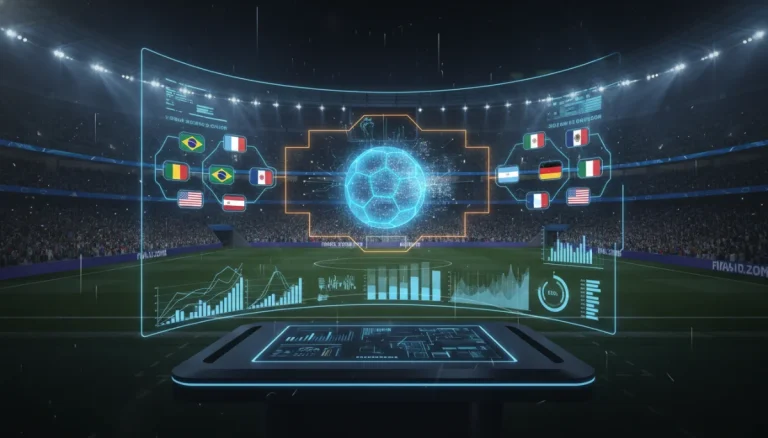
How the favorites should be judged
A World Cup favorite is not just a team with famous names. It is a squad that can survive a long schedule, adjust to different opponents, and keep producing under pressure when every mistake becomes magnified.
That is why this ranking leans on four simple questions: who has the most elite match-winners, who has the deepest bench, who can defend when the game turns ugly, and who has the calm needed for knockout football.
The top ten teams most likely to go all the way
- France. France still looks like the complete package, with exceptional depth at nearly every position and a game-breaking centerpiece in Kylian Mbappé. The team can win with speed, control, or late-match power, which makes it the most dangerous side in the field if the pieces stay healthy and organized.
- Brazil. Brazil brings the kind of attacking talent that can overwhelm even elite defenses, and its front line gives it instant danger in transition. The key difference now is balance, because the team also has enough structure behind the ball to avoid the chaos that has hurt past editions.
- England. England enters with one of the most complete rosters on paper, anchored by Jude Bellingham in midfield and Harry Kane up front. The question is not quality but pressure, since this group must finally turn expectation into ruthless efficiency.
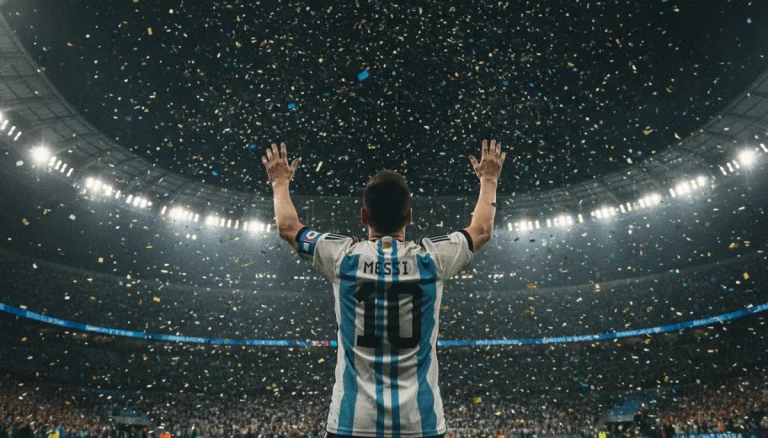
- Argentina. The defending champions remain a threat because they know exactly how to manage tournament moments. Lionel Messi may no longer carry every possession, but the supporting cast around him has grown stronger, more aggressive, and more comfortable with the demands of winning tight matches.
- Spain. Spain has shifted into a more direct and dangerous version of itself, which makes the side harder to predict and harder to contain. With Lamine Yamal leading a new wave of talent, La Roja has the technical polish to control games and the pace to punish teams in open space.
- Germany. Germany looks refreshed after a difficult stretch and now has the blend of experience and youth needed to compete with the best. Its biggest advantage is organization, because few teams are better at turning a long tournament into a sequence of controlled, manageable problems.
- Portugal. Portugal is no longer defined by one superstar alone, and that makes it more dangerous across a full tournament. With players like Bruno Fernandes, Bernardo Silva, and Rafael Leão, the team can create chances in different ways and rotate more comfortably through a demanding schedule.
- Italy. Italy may not always look explosive, but tournament football rewards teams that stay compact, disciplined, and difficult to break. The Azzurri’s path is built on structure and resilience, which means they can frustrate stronger opponents and turn close games into opportunities.
- Netherlands. The Netherlands has the defensive quality and tactical flexibility to bother any opponent in a knockout round. Virgil van Dijk remains the face of that stability, and if the attack becomes more consistent, the Oranje could finally convert promise into a real title run.
- Uruguay. Uruguay arrives with intensity, aggression, and the kind of collective edge that can drag matches into its preferred style. Under Marcelo Bielsa, the team presses relentlessly and refuses to give opponents comfort, which makes it a nightmare draw for anyone expecting an easy path.
Why France edges the field
France earns the top spot because it can win in more ways than anyone else. If the match becomes a track meet, it has pace. If it becomes a midfield battle, it has control. If it becomes a grind, it has the depth to keep fresh legs on the pitch.
That flexibility matters even more in 2026, when the added size of the tournament could reward teams that survive slow starts and awkward travel better than teams that rely on a single style.
The next tier still has real championship value
Brazil, England, and Argentina all belong near the top for different reasons. Brazil owns the most naturally inventive attack of the group, England offers a rare combination of physical power and technical quality, and Argentina knows how to squeeze value from every phase of a tournament.
Spain and Germany sit just behind them because each team appears built for growth during the event. Spain can overwhelm opponents with passing and movement, while Germany has the sort of structural discipline that often becomes more valuable as the knockout rounds begin.
Teams that could rise quickly
Portugal, Italy, the Netherlands, and Uruguay all have paths to a semifinal run if the bracket opens up. Portugal has creators everywhere, Italy has the habit of surviving matches others cannot, the Netherlands can make life miserable with its defensive shape, and Uruguay can impose a level of pressure few teams want to absorb.
Any one of those sides could become a much bigger story once the first few rounds settle the field.
Canada’s chance on home soil
Canada will not enter as a favorite, but that does not make it irrelevant. Home crowds in Vancouver and Toronto can create momentum, and Alphonso Davies gives the team a genuine match-changing weapon in transition.
If Canada can stay organized defensively and turn the atmosphere into energy rather than pressure, it could make life difficult for a higher-ranked opponent. At this level, one inspired performance can reshape a group and change the tone of an entire campaign.
What to watch as the tournament gets closer
The final months before kickoff will matter because form, injuries, and tactical clarity can move a team several places up or down this kind of ranking. A squad that arrives healthy and settled will almost always look stronger than one that is still searching for chemistry.
That is especially true in a World Cup spread across North America, where travel demands and recovery time may influence the bracket almost as much as star power does.
The race is open, but the margin is narrow
France may still be the safest pick, but Brazil, England, and Argentina all have the talent to take over the tournament if the timing is right. Spain, Germany, Portugal, Italy, the Netherlands, and Uruguay complete a group that could produce surprises at every stage.
For now, the most honest answer is simple: the 2026 World Cup has several believable champions, and the team that handles pressure best may matter more than the one that starts with the loudest reputation.