
Oil Spike From Hormuz Crisis Threatens Bitcoin’s CPI-Driven Recovery

Geopolitical Shock Reshapes Inflation Expectations
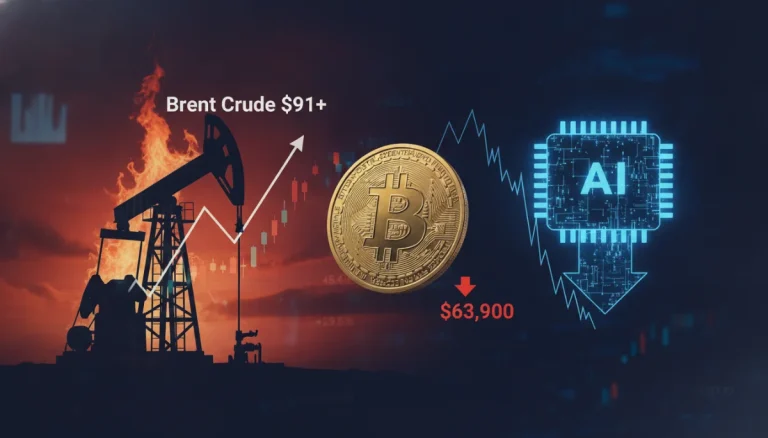
The cryptocurrency market confronted a sudden macroeconomic jolt on July 11, 2024, when the United States reinstated a blockade on Iranian vessels traversing the Strait of Hormuz. This strategic move, which included imposing a 20% fee on other cargo, abruptly revived tensions that many believed had been resolved by a June peace agreement. The immediate consequence was a sharp surge in global energy costs, with Brent crude oil prices climbing nearly 2.8% to hover around $85 per barrel. This second consecutive day of gains in oil markets signaled a renewed threat to global economic stability, directly challenging the fragile recovery Bitcoin had experienced earlier in the summer. James Van Straten, a noted financial analyst, emphasized the severity of this disruption, stating that the reinstated blockade “has disrupted the fragile peace trade that had supported Bitcoin’s recovery earlier this summer.” He further noted that higher oil prices are actively stoking inflation concerns and reinforcing hawkish expectations for the Federal Reserve. The market’s reaction was swift, as traders recalibrated their outlook on interest rates in light of these rising inflationary pressures. Bitcoin, which had recently rebounded from lows near $58,000, now faced significant headwinds as the probability of rate hikes increased, undermining the asset’s resilience in the face of geopolitical uncertainty.
Bitcoin and Altcoin Performance Under Pressure
In the wake of the Hormuz crisis, Bitcoin traded cautiously near $62,600, reflecting a slight 0.3% decline over the previous 24 hours while remaining roughly flat for the week according to CoinDesk data. The broader cryptocurrency market exhibited mixed performance, with major altcoins diverging in their responses to the inflation scare. Ethereum managed to hold near $1,783, showing modest weekly gains, whereas Solana, XRP, and Hyperliquid suffered more pronounced declines, dropping more than 5% over the seven-day period. This divergence suggests that investors are increasingly favoring established assets like Bitcoin and Ethereum while reducing exposure to higher-risk altcoins amid macroeconomic volatility. The inflation outlook continues to weigh heavily on market dynamics. Data from the CME FedWatch Tool indicates that markets currently price in a 40% probability of a Federal Reserve rate hike in the near term. also, the 10-year Treasury yield remains elevated above 4.6%, reflecting persistent expectations of continued monetary tightening. These indicators underscore the sensitivity of digital assets to traditional financial markets, where rising bond yields and potential rate increases often correlate with reduced risk appetite for cryptocurrencies.
Critical CPI Data Could Determine Market Trajectory
The upcoming June 2024 Consumer Price Index (CPI) report represents the next pivotal test for cryptocurrency markets. Headline inflation is forecast to ease to 3.8% year-on-year from the previous 4.2%, with prices expected to fall 0.1% month-on-month. Core inflation, which excludes volatile food and energy prices, is predicted to remain steady at 2.9% annually while rising 0.2% monthly. Shaurya Malwa, an economist, explained that a softer-than-expected CPI print could ease Fed rate-hike pressures, potentially stabilizing crypto prices. Conversely, a hotter reading, especially combined with climbing oil prices, might reinforce hawkish signals and intensify market volatility ahead of the July 28-29 Federal Reserve meeting.
Broader Market Trends Signal Persistent Engagement
Despite the geopolitical and inflationary uncertainties, underlying market activity reveals signs of sustained investor engagement. Centralized exchange trading volumes rose for the first time in five months in June 2024, with spot volumes increasing 15.3% to reach $1.11 trillion. also, Real-World Asset (RWA) perpetual volumes surged to a record $311 billion, indicating growing participation in innovative crypto sectors even as traditional markets face turbulence. However, industry leaders maintain cautious perspectives. The Franklin Crypto Chief Investment Officer noted that crypto prices appear disconnected from underlying fundamentals, emphasizing the need for investors to weigh external economic risks carefully. Leaders in the space are also focusing on structural and regulatory challenges. The Binance.US CEO highlighted ongoing efforts to rebuild market share after regulatory headwinds, stating their focus on sustainable growth to return to 20% of the U.S. market. Meanwhile, TeraWulf’s CEO commented on energy consumption dynamics, noting that the race for efficient crypto mining is becoming increasingly critical in the AI era. These insights collectively underscore the evolving landscape shaping cryptocurrency adoption and market sentiment as the industry navigates a complex macroeconomic environment.