How the 2026 Soccer Road to Glory Unfolds

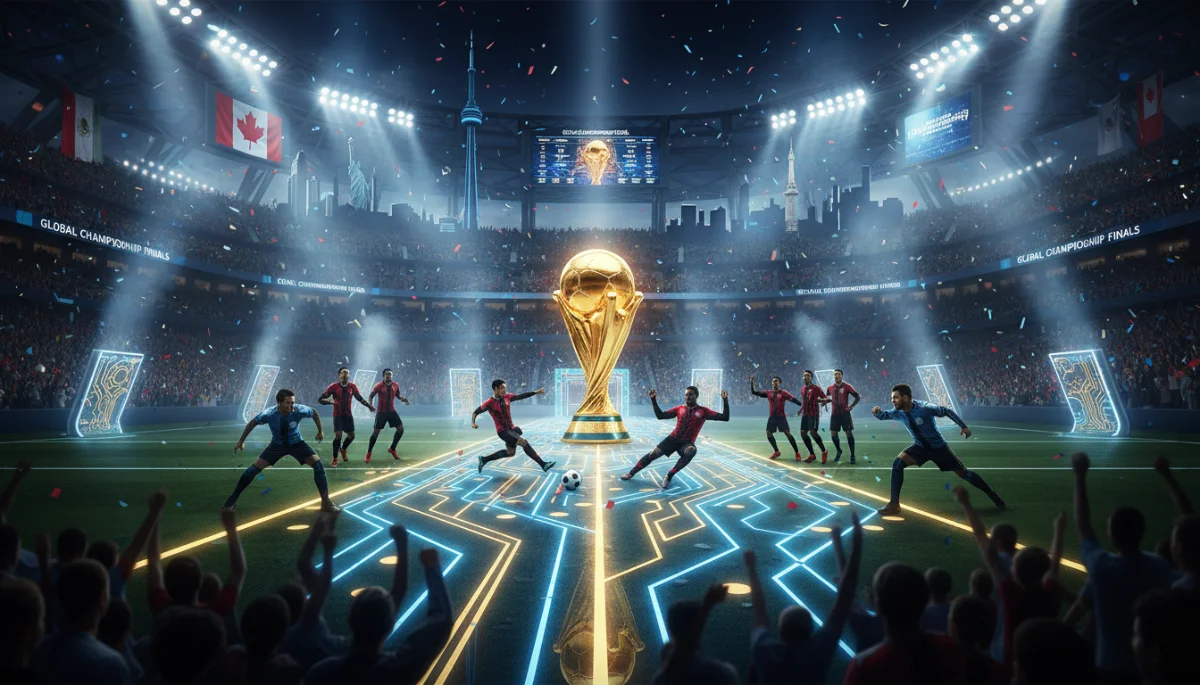
The 2026 tournament brings the biggest bracket the sport has ever seen. With 48 teams, 12 groups, and three host nations sharing the load, the path to the title is longer, wider, and far less predictable than in past editions. Fans will have more games to follow, more late surprises to watch for, and more chances for underdogs to keep their dream alive.
The new format in plain terms
The first major change is simple: there are now 12 groups of four teams instead of eight groups. Each nation plays three group-stage matches, and the top two teams from every group move on automatically. They are joined by eight third-place finishers, which creates a 32-team knockout phase for the first time in tournament history.
That shift changes everything. A strong start matters, but so does goal difference, squad depth, and the ability to recover quickly between matches. Teams can no longer assume that one bad result ends the story, yet they also cannot afford to coast through the group stage.
What happens after the group stage
Once the opening round is complete, the competition becomes a straight elimination tournament. No second chances remain. Every match from that point forward can send a team home, and every round cuts the field in half until only one champion is left.
- Round of 32: the first knockout stage, featuring 32 teams
- Round of 16: the field is trimmed to 16
- Quarterfinals: the last eight teams battle for a semifinal spot
- Semifinals: the final step before the title match
- Third-place match: a consolation game for the semifinal losers
- Final: the championship match that decides the winner
If a knockout game is still tied after 90 minutes, the match goes to extra time. If neither side breaks through, the winner is decided by penalties. There are no replays and no aggregate scores to fall back on.
Why third-place standings matter so much
The eight best third-place teams will make the bracket, which means every point can shape the knockout picture. This is where the tournament becomes a numbers game. One goal late in a match can change who advances, who gets eliminated, and which side of the bracket a team ends up on.
The usual ranking order for tied teams starts with points, then moves to goal difference, goals scored, head-to-head results, fair play points, and finally FIFA ranking if needed. That sequence can make the final group-table arithmetic tense right up until the last whistle.
Teams and paths that deserve close attention
Some groups already stand out because they could affect the bracket in a major way. Brazil’s group is likely to attract heavy attention, while the United States will also be under a bright spotlight as host nation pressure builds. Argentina, Spain, France, and England are spread across the draw, which raises the odds of major clashes later in the tournament if the favorites hold their positions.
Canada will have plenty of eyes on its group-stage journey as well. Playing at home in a shared-host setup gives the team a rare opportunity to use crowd support and familiar settings to its advantage. A top-two finish would guarantee progression, but even third place could be enough if the results elsewhere break the right way.
How to follow the bracket without getting lost
The easiest way to track the tournament is to watch each group as its own race, then look at how the third-place standings reshape the knockout grid. That approach keeps the bigger picture clear and makes it easier to understand why one late goal or one caution can have ripple effects across the entire competition.
For fans, the appeal is obvious: more matches, more countries, more drama, and more possible upset paths than ever before. For teams, the challenge is just as clear. The new structure rewards consistency, discipline, and depth over a much longer stretch of time.
In the end, the 2026 tournament is built to be larger, more complex, and more open than any previous edition. From the opening whistle to the last celebration, the bracket will tell the story of who survives, who stumbles, and who rises to the top.