Belgium and Iran Face a Group-Changing Test

World Cup 2026 | Group G, Matchday 2
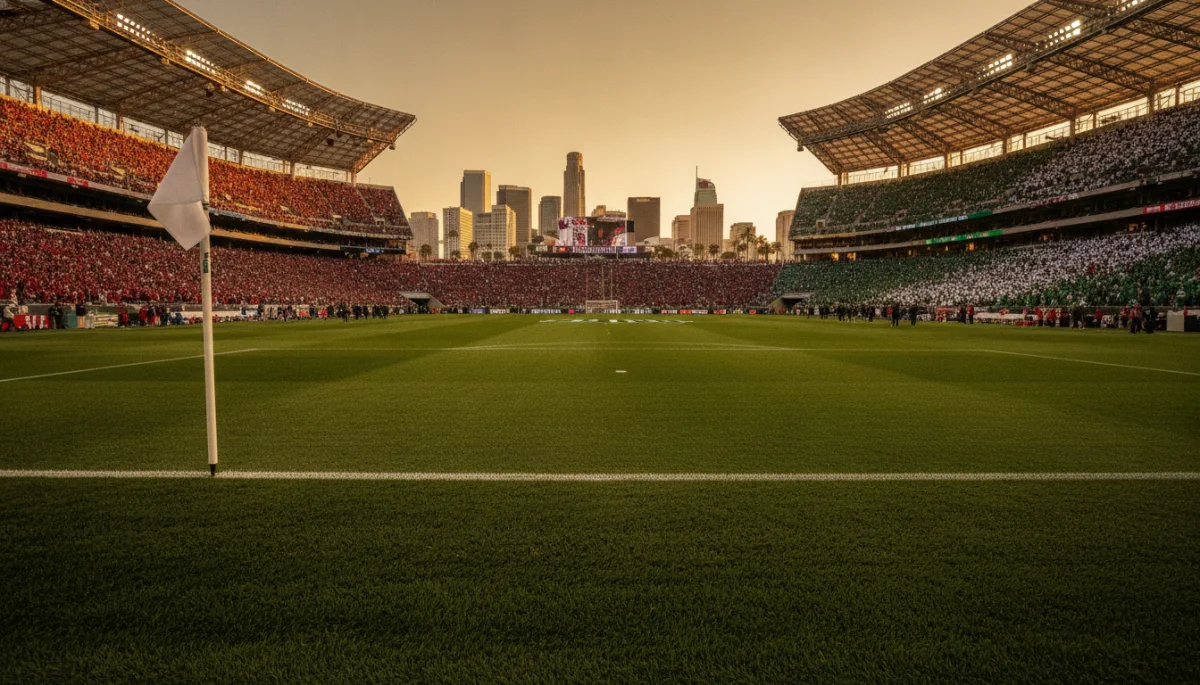
Sunday, June 21, 2026 — 3:00 p.m. ET | SoFi Stadium, Los Angeles
Watch in Canada: CTV, TSN, TSN+ | In French: RDS
Group G has opened exactly as a tight World Cup group should: all four teams sit on one point after the first round, with Belgium, Iran, Egypt, and New Zealand separated only by goal difference and ordering. That makes Sunday’s meeting between Belgium and Iran more than just another second-group-stage match. It is the kind of game that can reshape the entire table in a single afternoon.
For Canadian viewers, the kickoff lands in a comfortable late-afternoon window, and the matchup has the feel of a pressure game from the first whistle. Belgium carry the higher-profile squad, but Iran arrive with organization, resilience, and enough set-piece danger to keep this from becoming a straightforward favorite-versus-underdog story.
Why This Match Matters
Belgium’s opening draw against Egypt showed both their quality and their problem. They controlled stretches of play, created enough danger to threaten a winner, and still needed a late swing in momentum just to earn a point. That kind of result is survivable early in a group, but it also increases the value of every remaining match.
Iran’s first match was different in style but similar in outcome. They twice had to respond after falling behind, and they did it with enough composure to leave with a draw. That matters because it confirms two things: Iran can stay in matches when the score turns against them, and they are comfortable playing under strain.
The Main Tactical Questions
1. Can Kevin De Bruyne dictate the rhythm? Belgium’s best path forward still runs through De Bruyne. He remains the player most capable of turning possession into a final ball, a shot, or a defensive collapse. If Iran keep him isolated and force him wide, Belgium may spend long stretches circulating the ball without cutting open the box.
2. Will Romelu Lukaku start and change the shape? Belgium’s attack looked more direct once Lukaku entered the opener, and his presence immediately altered how the opponent had to defend. Starting him would give Belgium a reference point in the penalty area from the beginning rather than waiting for an impact cameo.
3. Can Iran punish mistakes on dead balls? Iran’s attacking threat is not built on volume; it is built on efficiency. Their best openings often come when they can deliver quality service into the area and attack the second ball. Against a Belgian side that can be vulnerable when stretched, that is a realistic route to a goal.
4. Does the crowd tilt the game? Los Angeles should provide Iran with major support from the stands, and that matters in a match where composure could decide everything. A loud, energized crowd can help Iran stay compact and confident when Belgium start to push numbers forward.
The Stakes for Belgium
This tournament carries extra weight for Belgium. Their recent World Cup history has not matched the talent level of their most famous names, and this group offers no margin for a slow start. A second straight draw would leave them alive but uncomfortable. A loss would instantly create real danger heading into the final round of group play.
Belgium also know that age and timing are part of the conversation. Several of their key players are at a stage where another major tournament run may not come again, which raises the urgency of a match like this. They have the better depth on paper, but paper does not settle a group that is this even.
The Stakes for Iran
Iran approach the match from a much freer position. They have already shown that they can absorb pressure and recover inside a game, and that kind of mental strength is useful in a group where small details may decide qualification. A draw would keep them fully in the race; a win would change the group picture immediately.
That is why Iran can play this match with patience. They do not need to force the game early. They need to stay organized, slow Belgium’s tempo, and wait for the moments when a cross, a second ball, or a transition opens the door. In a group this tight, that is often enough.
How the Match Could Unfold
Belgium should have more of the ball, and Iran are likely to accept long defensive stretches. The key question is whether Belgium can make possession count before frustration sets in. If De Bruyne finds space between Iran’s lines, Belgium can create enough chances to control the result. If not, the match could drift into a tense, low-margin contest.
Iran’s best opportunity may be to keep the score level into the second half and then lean on set pieces, timing, and game-state pressure. Belgium have the better individual names, but this type of match often rewards the team that is more organized in the final 30 minutes.
Projected result: Belgium 2, Iran 1. Belgium have the stronger attack and enough quality to find a breakthrough, but Iran should make them work for it from start to finish.
A Belgian win would give them a strong position in Group G and put real pressure on the other teams chasing the top two places. For Iran, even a narrow defeat would still leave the final matchday alive, but the margin for error would shrink considerably.
Sunday’s Group G Schedule for Canadian Viewers
-
Tunisia vs. Japan — 12:00 p.m. ET
-
Spain vs. Saudi Arabia — 12:00 p.m. ET
-
Belgium vs. Iran — 3:00 p.m. ET
-
Uruguay vs. Cabo Verde — 6:00 p.m. ET
-
New Zealand vs. Egypt — 9:00 p.m. ET
Broadcast: CTV, TSN, TSN+, with French-language coverage on RDS.