Canada’s Toronto World Cup Kickoff

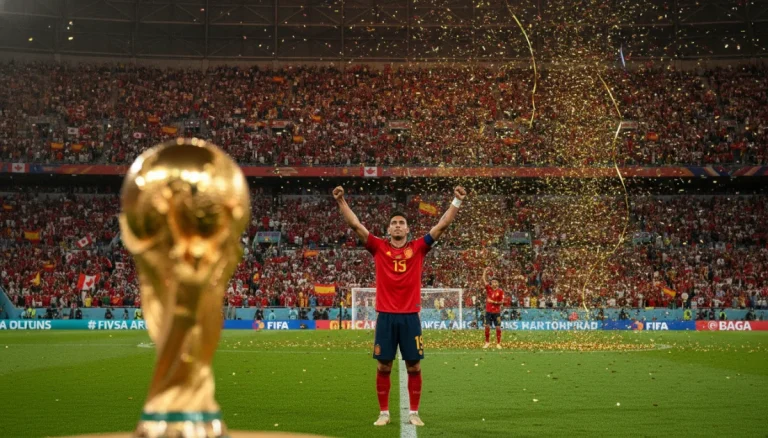
The 2026 FIFA World Cup begins with a rare three-country rollout, but Canada’s opening day carries special weight. For the first time, the tournament is being staged in Canada, the United States, and Mexico together, and Toronto is set to play a major role as the country welcomes the sport’s biggest event.
The competition runs from June 11 to July 19 and will feature 104 matches across 16 host cities. Canada has never hosted a men’s World Cup before, which makes this opening stretch more than a formality: it is a landmark moment for Canadian soccer and for fans watching at home and in the stadium.
Toronto leads the Canadian debut
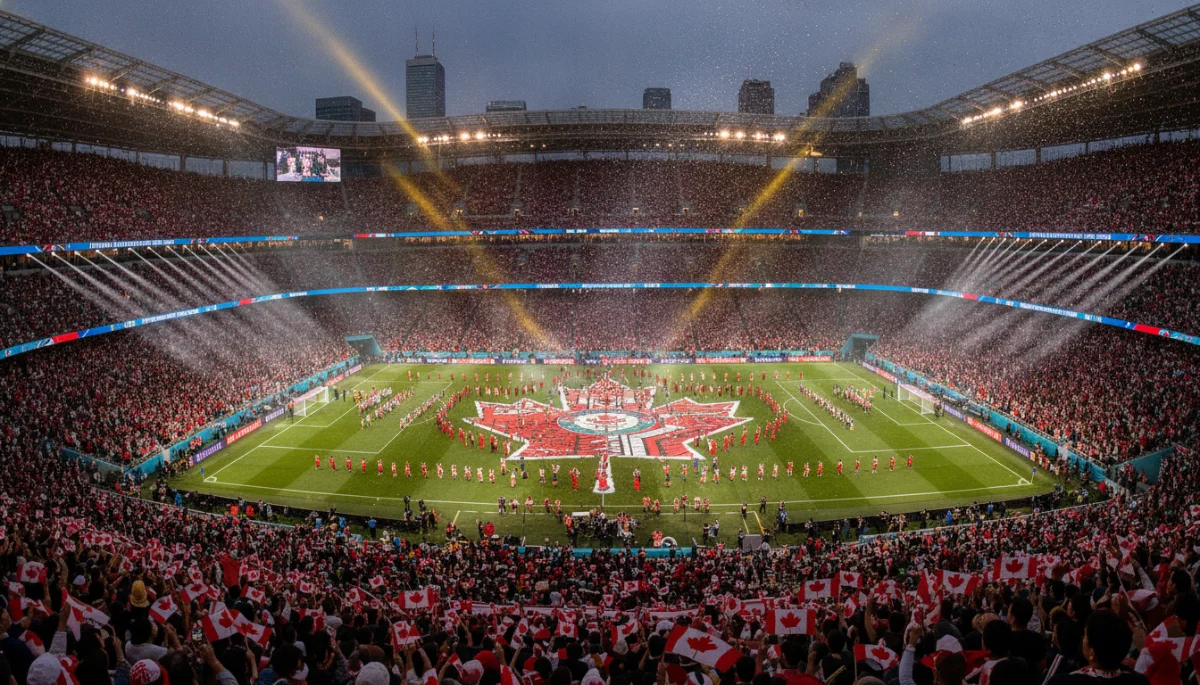
Canada’s opening ceremony is scheduled for June 12 at Toronto Stadium, beginning at 1:30 p.m. local time, or 17:30 GMT. The show is expected to run for about 13 minutes and is built around the idea of a cultural mosaic, with music and performance meant to reflect the country’s diversity.
The program will open with a countdown framed as a journey “from coast to coast to coast,” a phrase that captures the national scale of the celebration. The lineup is expected to include Alanis Morissette, Alessia Cara, Jessie Reyez, Michael Bublé, and William Prince, along with Elyanna, Nora Fatehi, Sanjoy, and Vegedream.
FIFA President Gianni Infantino has described the event as a strong expression of Canadian identity and a moment of pride and unity as the country steps onto the world stage.
The match that follows
The ceremony is only part of the story. Right after the celebration, Canada’s men’s national team will meet Bosnia and Herzegovina, giving the team its first World Cup match on home soil. Kickoff is set for 3 p.m. local time, or 19:00 GMT, after the pre-match buildup and introductions.
That sequence gives the day a clear emotional arc: a short ceremony, then an immediate competitive debut in front of a home crowd. For Canadian supporters, the timing turns a routine opening fixture into something far more memorable.
How the three host nations differ
The opening ceremonies are linked by a common theme, but each host nation is presenting its own visual identity. Canada is leaning into diversity, Mexico is using traditional paper art, and the United States is staging a brighter, more theatrical presentation. All three ceremonies begin 90 minutes before the first match in each host country.
| Host country | City | Opening match date | Ceremony length | Distinct feature |
|---|---|---|---|---|
| Mexico | Mexico City | June 11 | About 16.5 minutes | Indigenous performers and folkloric acts |
| Canada | Toronto | June 12 | About 13 minutes | Cultural mosaic theme |
| United States | Los Angeles | June 12 | Not specified in the source material | Large-scale, glowing visual style |
Mexico officially opens the tournament first on June 11 at Mexico City Stadium, formerly Estadio Azteca, before its match against South Africa. That ceremony is expected to be the longest of the three and will feature a major entertainment lineup, including Shakira, Alejandro Fernández, J Balvin, Maná, and Tyla. Local officials have also declared June 11 a public holiday in Mexico City, with schools closed and remote work encouraged.
The United States follows on June 12 at Los Angeles Stadium before facing Paraguay. Its ceremony is set to include Katy Perry, Future, Anitta, LISA, Rema, and Tyla. The production across all three countries is being led by Marco Balich, whose work has shaped several major international opening ceremonies.
Watching from Canada
Canadian audiences can follow the opening ceremonies and matches on CTV and TSN, with French-language coverage on RDS. In the United States, coverage is set to air on FOX, FS1, and the free streaming service Tubi. Viewers in the United Kingdom can watch on the BBC and ITV.
With Mexico starting the tournament on June 11 and Canada and the United States joining the next day, the opening week is designed as a connected celebration rather than three separate events. That structure gives fans a full day of ceremony, competition, and national identity before the tournament settles into its longer rhythm.
Why this moment matters
For Canada, the significance is simple: this is the country’s first men’s World Cup on home soil. The Toronto ceremony, though brief, is meant to signal that arrival with confidence and style, while the match that follows gives the occasion immediate sporting meaning.
Security, transit, and crowd management remain important across all three host nations, but the broader focus is on the same idea everywhere: football as a shared event that crosses borders. For Canadian fans, though, the spotlight is especially bright in Toronto, where the country’s opening day finally becomes its day too.