Inside Football’s Power Struggle

A dispute that reaches far beyond one proposal
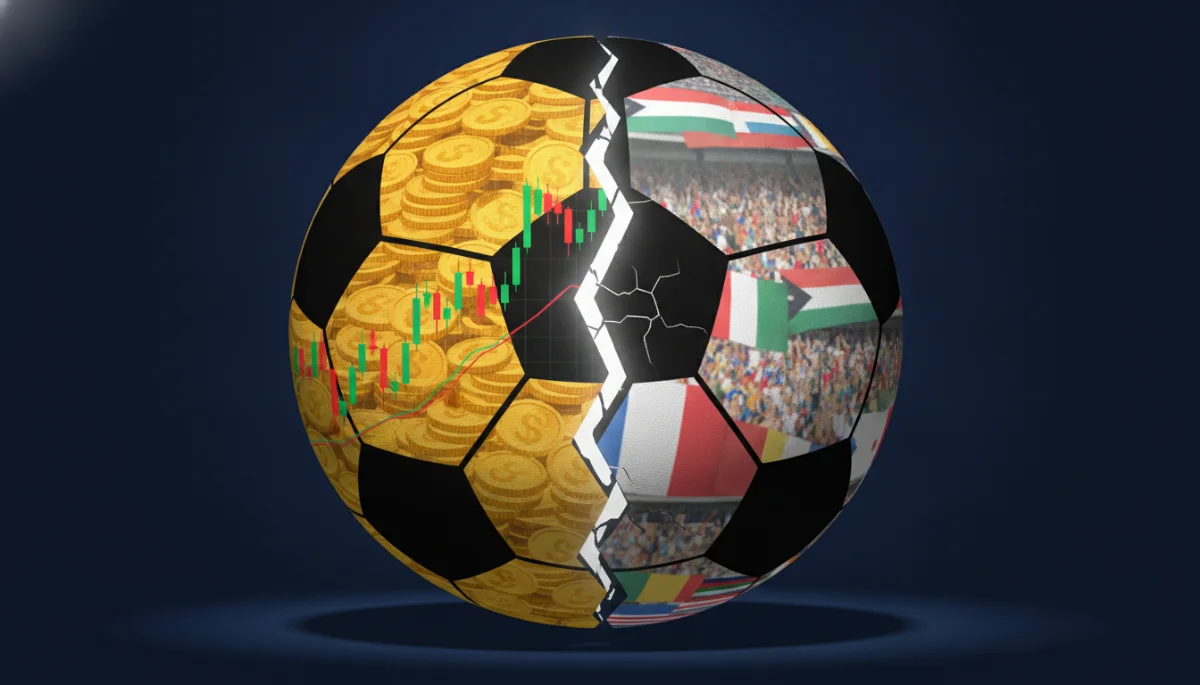
Football’s governing class is locked in a high-stakes fight over control, revenue, and trust. FIFA’s plan to explore minority investment in the World Cup and other major events has triggered a sharp response from several of the sport’s most powerful confederations, turning a business idea into a political crisis.
At the center of the dispute is FIFA president Gianni Infantino’s push to open the door to private capital through a reported fund led by Joshua Kushner. FIFA asked its 211 member federations to approve the direction by September 19, but the speed of the process has only fueled suspicion across the game.
The resistance forms quickly
UEFA delivered the hardest blow. The European federation, which includes 55 members and oversees many of the richest leagues in world football, voted unanimously to oppose FIFA’s plan and said it would be ready to boycott FIFA tournaments, including the World Cup, if the proposal is not withdrawn. Its message was blunt: the idea was developed in secrecy, and the World Cup should not become a saleable asset.
Other regions followed with their own objections, though not all went as far as UEFA. CONCACAF rejected the proposal and criticized FIFA for moving too quickly without enough transparency. The Asian Football Confederation also voiced concern, backed the need for a wider rethink of FIFA’s governance, and warned that the issue affects everyone who cares about the sport’s future.
Mexico has not yet taken a final position, saying it needs more time to review the details. Africa, South America, and Oceania had not voted at the time of the reports, leaving the final balance of power unsettled.
What each bloc is saying
| Group | Position | Main concern |
|---|---|---|
| UEFA | Strong opposition and boycott threat | Secrecy and the commercialization of the World Cup |
| CONCACAF | Rejected the plan | Lack of transparency and an accelerated deadline |
| AFC | Backed the criticism | Governance failures and long-term harm to the game |
| Mexico | Undecided | Needs more time to study the proposal |
FIFA pushes ahead anyway
FIFA has not retreated. In a statement, the organization blamed inaccurate media coverage for disrupting its consultation process and said it would continue moving forward. That refusal to pause has only sharpened the divide between FIFA leadership and the confederations demanding a slower, more open discussion.
The tension became more visible when Carlos Cordeiro, one of Infantino’s senior advisers, resigned over the issue. His departure suggests that the dispute is not just external opposition; it is also creating discomfort inside FIFA’s own leadership structure.
Why the stakes are so high
This is not only a fight over ownership structures. UEFA brings together the sport’s most commercially powerful leagues, including the Premier League, La Liga, and Serie A, so its stance carries unusual weight. With Asia and North America also raising objections, FIFA is facing a broad coalition of institutions that control the sport’s biggest audiences and revenue streams.
Two deadlines now define the next phase. September 19 is the date Infantino set for federations to accept or reject the plan, while the FIFA Under-20 Women’s World Cup in Poland will offer the first real test of whether the conflict stays confined to boardrooms or spills into tournament politics. Beyond that, Infantino’s expected path to a fourth term through 2031 may be less secure than it looked before this week’s backlash.
For now, the issue is bigger than one investment vehicle. It is a test of who gets to shape football’s future, how openly those decisions are made, and whether the sport’s most powerful bodies are willing to challenge FIFA when they believe the line has been crossed.