Why Halftime Phones Pull Fans Into Mini Games

The Pause That Changes Fan Behavior
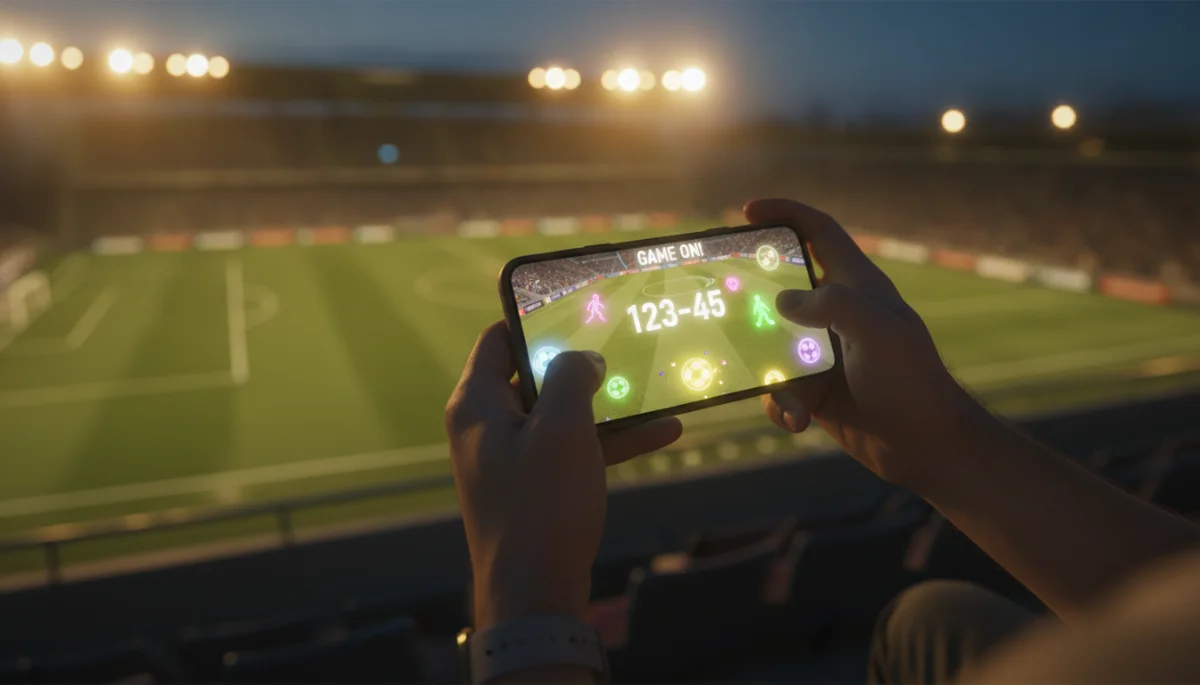
Halftime used to be a dead zone for viewers. The action on the field stopped, the broadcast shifted to commentary, and many fans simply waited for play to resume. That gap has become a prime moment for quick mobile games, because it offers just enough time for a short burst of entertainment without pulling attention away for long.
This shift is not just about passing the time. It reflects a broader change in how sports audiences consume entertainment, especially on phones. Fans now expect fast access, simple controls, and instant feedback, which makes short-form mobile play feel like a natural extension of the game-day experience.
Why Short Games Fit the Halftime Window
The best halftime games are built for speed and low friction. They open quickly, require almost no explanation, and deliver a result in a matter of moments. That design matters because the halftime break is limited, and viewers do not want a game that demands focus for more than a few minutes.
| Game Trait | Why It Works at Halftime |
|---|---|
| Fast start | Fans can jump in immediately before the next period begins. |
| Simple controls | No time is wasted learning complicated mechanics. |
| Repeatable rounds | Several quick plays fit inside one break. |
| Instant feedback | Scores, rewards, or outcomes keep the experience satisfying. |
That formula explains why hyper-casual puzzles, rapid sports challenges, and spin-based games have become so popular during live events. They provide a compact sense of excitement that matches the pace of a commercial break or halftime segment.
Technology Makes the Experience Seamless
Improved mobile networks and stronger stadium Wi-Fi have removed many of the old barriers to in-game entertainment. Crowded venues once struggled with slow connections and overloaded signals, but modern infrastructure can now support large numbers of simultaneous users with far less friction.
Developers have also adapted by building lighter games that use less data and respond quickly. That combination matters in a sports setting, where a fan might only have a few minutes to play before turning back to the broadcast or the live action in the arena.
The Psychology Behind the Trend
Sports naturally create emotional highs, especially during tense moments. When halftime arrives, that intensity drops, and fans often look for another source of stimulation. Quick mobile games fill that gap by offering small rewards, progress bars, or simple wins that keep the brain engaged.
They also provide something live sports cannot: control. A fan cannot influence the score on the field, but a mobile game offers immediate choices and visible outcomes. That sense of agency makes the halftime break feel active instead of empty.
How Teams and Broadcasters Are Using It
Sports organizations have noticed that halftime is no longer just filler time. Many now use mobile experiences to deepen engagement, connect fans to match-related content, and create more reasons to stay involved throughout the event.
Predictive quizzes, fantasy updates, and reward-based mini games are especially effective because they tie directly to the live game. A fan can answer a question about the first half, check fantasy results, or unlock an offer tied to in-stadium purchases, all without leaving the sports environment.
For broadcasters and clubs, this approach turns a pause in play into an engagement channel. For fans, it makes the break feel shorter, more interactive, and more connected to the event they are already watching.
What Comes Next for Halftime Entertainment
The line between watching and playing will likely keep getting thinner. Augmented reality, richer second-screen features, and smarter event-based rewards could make halftime participation even more immersive in the future.
For now, quick mobile games have already earned a clear place in the sports routine. They fit the time window, match the fan mindset, and keep energy high until play begins again.